


Exploring the common errors in fleet maintenance and how to steer clear of them sets the stage for a deep dive into optimizing vehicle performance and longevity. Get ready for an insightful journey through the pitfalls and solutions in fleet management.
Delving into the nuances of regular inspections, preventive maintenance, record-keeping, and part selection, this guide equips fleet managers with essential knowledge to enhance their operations.
Common Fleet Maintenance Mistakes
When it comes to fleet maintenance, there are several common mistakes that fleet managers often make. These errors can have significant consequences on vehicle performance and longevity if not addressed in a timely manner.
Failure to Follow Manufacturer’s Maintenance Schedule
One of the most common mistakes in fleet maintenance is failing to adhere to the manufacturer's recommended maintenance schedule. Neglecting routine maintenance tasks such as oil changes, tire rotations, and filter replacements can lead to premature wear and tear on vehicles, resulting in costly repairs and decreased overall lifespan.
Ignoring Check Engine Lights
Another frequent mistake is ignoring warning signs such as check engine lights. Fleet managers may overlook these indicators, assuming they are minor issues. However, unresolved problems can escalate quickly and cause more significant damage if left unattended, leading to unplanned downtime and repair costs.
Using Incorrect Parts or Fluids
Using incorrect parts or fluids during maintenance procedures is a critical error that can have detrimental effects on vehicle performance. Substituting generic parts or fluids that do not meet the manufacturer's specifications can lead to malfunctions, reduced efficiency, and potential safety hazards for drivers and passengers.
Lack of Regular Inspections
Regular inspections are a crucial aspect of fleet maintenance as they help ensure the safety, reliability, and longevity of vehicles. By conducting routine inspections, fleet managers and technicians can identify potential issues early on, preventing costly breakdowns and repairs down the line.
Importance of Regular Inspections
Regular inspections allow fleet managers to proactively address any maintenance issues before they escalate into major problems. By identifying and fixing issues early, vehicles can stay on the road longer, reducing downtime and increasing overall efficiency. Additionally, routine inspections help ensure compliance with safety regulations and standards, keeping both drivers and other road users safe.
Potential Issues from Irregular Inspections
Irregular inspections can lead to a variety of problems, including unexpected breakdowns, increased repair costs, and reduced vehicle lifespan. Without regular checks, small issues can go unnoticed and develop into larger, more expensive problems over time. Inadequate inspections can also compromise the safety of drivers and passengers, putting them at risk of accidents or breakdowns on the road.
Best Practices for Scheduling and Conducting Routine Inspections
- Establish a regular inspection schedule based on manufacturer recommendations, vehicle usage, and industry standards.
- Train technicians to conduct thorough inspections, focusing on key areas such as brakes, tires, fluid levels, and lights.
- Use digital tools and software to track inspections, maintenance records, and upcoming service dates.
- Implement a proactive maintenance approach, addressing issues as soon as they are identified during inspections.
- Regularly review and analyze inspection reports to identify trends, patterns, and areas for improvement.
Neglecting Preventive Maintenance
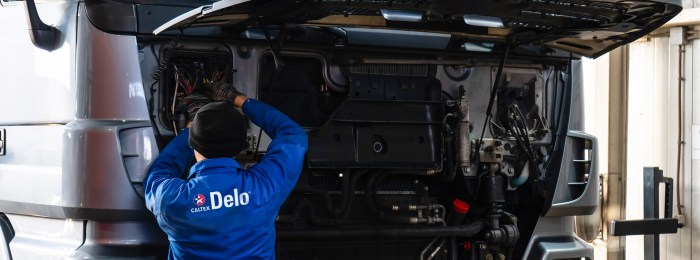
Preventive maintenance in fleet management involves performing regular inspections, servicing, and repairs on vehicles before any major issues arise. It is a proactive approach to maintenance aimed at preventing breakdowns and ensuring the longevity of fleet vehicles.Highlighting the benefits of preventive maintenance over reactive repairs, we can see that:
- Preventive maintenance helps in identifying and addressing minor issues before they escalate into costly repairs.
- It reduces downtime by keeping vehicles in optimal condition, thus improving overall fleet efficiency.
- Regular maintenance can extend the lifespan of vehicles and reduce the risk of unexpected breakdowns on the road.
Preventive Maintenance Schedule for a Typical Fleet
Implementing a preventive maintenance schedule for a typical fleet involves the following key steps:
- Regularly schedule oil changes, filter replacements, and fluid checks based on manufacturer recommendations.
- Perform tire inspections and rotations to ensure even wear and optimal traction.
- Check and replace brake pads, belts, and hoses as needed to prevent failure on the road.
- Inspect and maintain engine components, such as spark plugs and fuel injectors, to optimize performance.
- Conduct regular inspections of suspension, steering, and exhaust systems to address any issues promptly.
By adhering to a preventive maintenance schedule, fleet managers can ensure the safety, reliability, and efficiency of their vehicles while minimizing unexpected repair costs.
Inadequate Record-Keeping
Maintaining detailed maintenance records is crucial for effective fleet management. These records provide a comprehensive history of each vehicle's maintenance activities, helping fleet managers track expenses, identify patterns of issues, and ensure compliance with regulations.
Significance of Detailed Maintenance Records
- Records of all maintenance work performed, including repairs, replacements, and inspections.
- Documentation of vehicle downtime for maintenance purposes.
- Tracking of parts and components replaced, along with their costs.
- Recording of mileage at each service interval for proper scheduling of maintenance tasks.
Essential Information in Maintenance Logs
- Vehicle identification number (VIN), make, model, and year of the vehicle.
- Date and time of each maintenance activity, including start and completion times.
- Details of the maintenance performed, such as oil changes, brake inspections, tire rotations, etc.
- Name of the mechanic or technician who worked on the vehicle.
Software for Efficient Record-Keeping
- Fleet management software like Fleetio, KeepTruckin, or Samsara offer features for maintenance record-keeping.
- Telematics systems integrated with maintenance modules can automate data collection for better record-keeping.
- Cloud-based solutions provide accessibility and real-time updates for maintenance logs.
Using Incorrect Parts or Fluids
Using incorrect parts or fluids in fleet maintenance can lead to serious consequences, including damage to the vehicles, safety hazards, and increased maintenance costs. It is crucial to ensure the right parts and fluids are used for each vehicle to maintain optimal performance and longevity.
Risks Associated with Using Incorrect Parts or Fluids
Using incorrect parts or fluids can result in:
- Decreased performance and efficiency of the vehicle
- Increased wear and tear on critical components
- Potential safety hazards for drivers and passengers
- Voiding warranties on parts or vehicles
Common Mistakes in Part or Fluid Selection
Common mistakes related to part or fluid selection in fleet maintenance include:
- Choosing aftermarket parts that are not compatible with the vehicle
- Using the wrong type or grade of oil, coolant, or other fluids
- Ignoring manufacturer recommendations for parts and fluids
- Opting for cheaper, low-quality parts or fluids to save costs
Guidance for Correct Part and Fluid Selection
To ensure the correct parts and fluids are used for each vehicle, follow these guidelines:
- Refer to the vehicle's manual for recommended parts and fluids
- Purchase parts from reputable dealers or authorized suppliers
- Double-check part numbers and specifications before installation
- Regularly inspect parts and fluids for any signs of wear or contamination
Summary
In wrapping up the discussion on Top Fleet Maintenance Mistakes and How to Avoid Them, remember that attention to detail and proactive measures can save time, money, and headaches in the long run. By steering clear of these common mistakes, your fleet can reach new heights of efficiency and reliability.
FAQ Overview
What are the consequences of neglecting preventive maintenance?
Neglecting preventive maintenance can lead to unexpected vehicle breakdowns, increased repair costs, and shortened vehicle lifespan. It's crucial to stay on top of scheduled maintenance to avoid these issues.
How can fleet managers ensure the correct parts and fluids are used for each vehicle?
Fleet managers should establish clear guidelines for part and fluid selection, provide proper training to maintenance staff, and regularly audit inventory to ensure only approved parts and fluids are being used.
Why is inadequate record-keeping a significant issue in fleet maintenance?
Inadequate record-keeping can lead to confusion, missed maintenance tasks, and regulatory compliance issues. Detailed maintenance records are essential for tracking vehicle history and ensuring timely maintenance.